ABOUT HBF
The Hoso Bunka Foundation (HBF) is a public interest incorporated foundation that, as its name Hoso Bunka (Broadcast Culture) suggests, aims to promote the cultural and technological development of broadcasting. The foundation was established by Japan’s public service broadcaster, NHK (Japan Broadcasting Corporation), in February 1974 with an endowment of ¥12 billion (¥12,000,000,000).
Message from the President
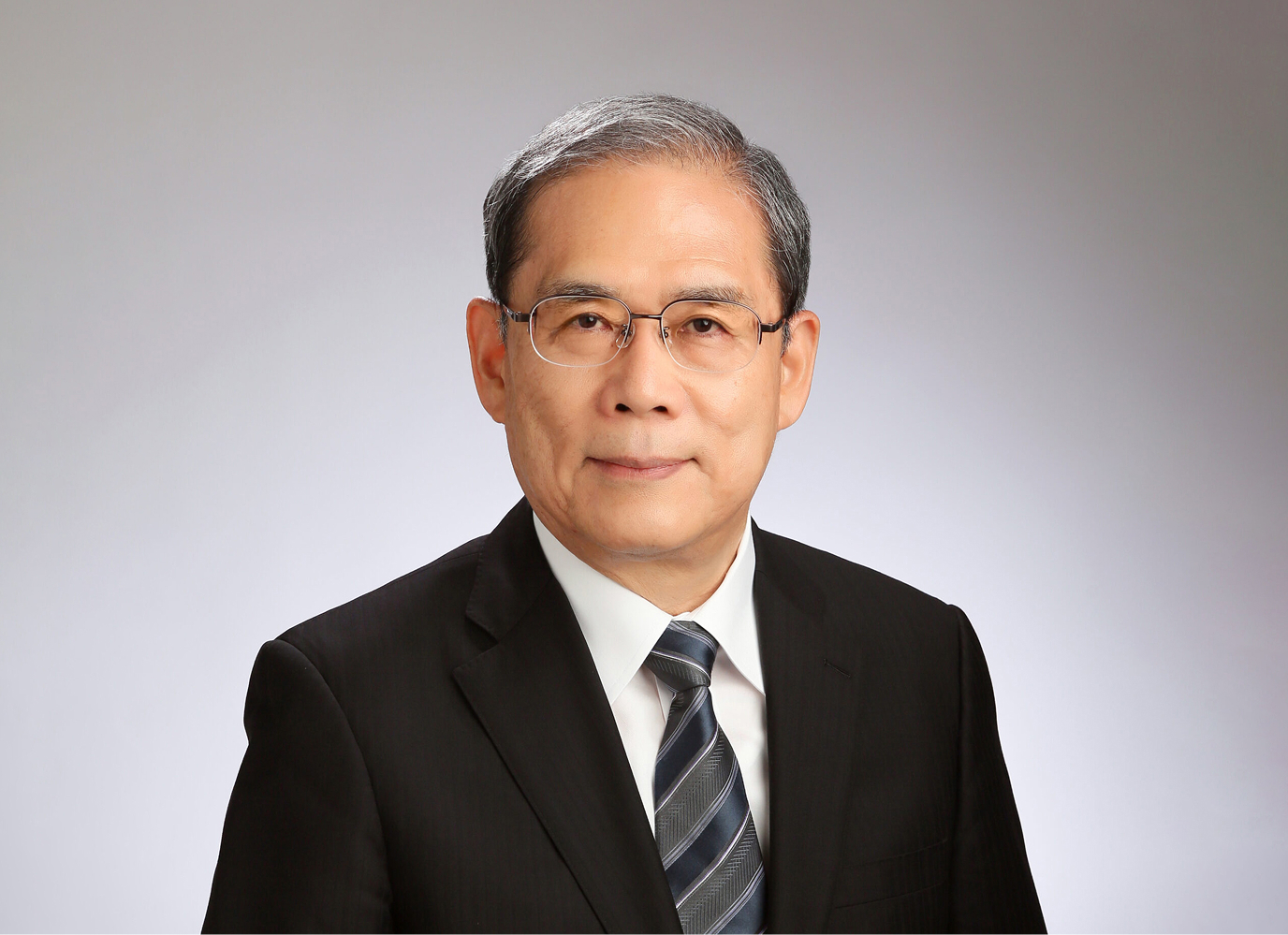
President Junichi Hamada
Professor Emeritus, the University of Tokyo
Specialization: Media Law, Information Law, Information Policy
1950 Born in Hyogo prefecture
2019 ~ Current position
2015 ~ Board Director, Hoso Bunka Foundation
2009 ~ 2015 The 29th President, the University of Tokyo
Main publications: “Media Law” (1990), “Information Law” (1993), etc.
The Hoso Bunka Foundation was founded in 1974 with Ichiro Nakayama, an economist and then honorary professor at Hitotsubashi University as President. Then making the transition to a public interest incorporated foundation in April 2011, the foundation celebrated the 50th anniversary of its establishment in 2024.
The total amount of the “broadcast-related grant funding” has reached approximately 12.8 billion yen that exceeds the foundation’s basic fund amount. We remain committed to continuing our broad-based support for the development and improvement of broadcasting culture.
The “HBF Prize” has been highly regarded as an award with a history and tradition that opens the door not only to broadcasters but also to production houses throughout Japan. In addition, since 2023, we have expanded the scope of awards to include digital media content. It is quite characteristic that the prize is awarded not for outstanding content creation alone, but for various broadcast-related efforts and technological improvement.
The “Creators’ Forum” have been held in five districts in Japan, aiming at offering an opportunity for creators to interact with each other beyond the organizational boundaries between NHK and commercial broadcasters. I hope they inspire one another by competing in short program contests and exchanging views, and will grow as superb broadcasters.
Television has made various changes with times, but over the past years, the circumstances have changed even more drastically. The radical transformation of the media environment resulting from internet services such as simultaneous broadcast distribution and video streaming is about to change our TV viewing habit in life. Even in the midst of such changes, it is indisputable that broadcasting requires quality and reliable content.
Amidst the rapid progression of the convergence between broadcasting and telecommunications, we would make determined efforts to contribute more to the development and improvement of the broadcast-centered media culture. I deeply appreciate your continued understanding and support.
(May 26, 2025)
Message from the General Managing Director
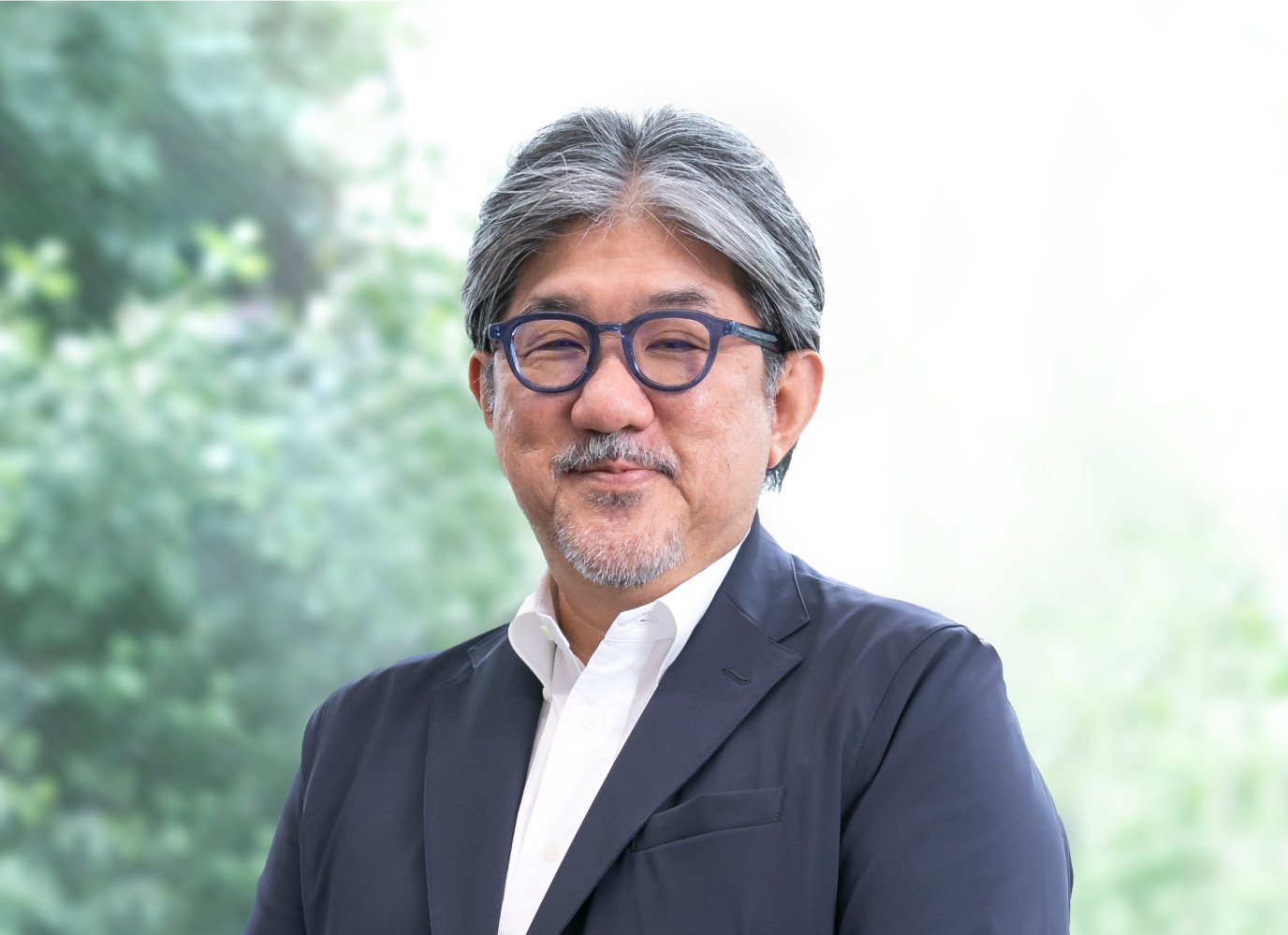
General Managing Director Kenji Sobata
Born in 1962 in Toyama prefecture.
Mr. Sobata joined NHK in 1986. After starting his career in Okayama, he was assigned to the political news department, where he covered the Prime Minister’s Office, the Ministry of Foreign Affairs, and major political parties. Furthermore, he served as a Washington bureau reporter, Moscow Bureau Chief and Bureau Chief of General Bureau for America, New York, while domestically, he anchored news shows on the General and BS channels. Prior to taking the current post in 2026, he held senior positions such as Director-General of the Okinawa and Fukuoka Broadcasting Stations and a board member of NHK.
When I was a field reporter, one senior colleague used to say at every opportunity, “Broadcasting is a country’s culture”. He meant that “broadcasting culture” is not merely a part of culture, but it is a culture itself in the sense that it reflects the way of life and values of the people of the country and passes them onto future generations. His words exuded the pride of a broadcaster, suggesting that’s indeed how broadcasting must be. Assuming that television can play even a small part of that role, it is primarily because it has the characteristic of pursuing themes from the same perspective as the viewers and delivering emotionally resonant messages through the power of images, sound and words. If broadcasters fail to recognize this and forget the fundamental principle of being viewer-oriented, they will never be able to become true bearers of culture.
No matter how the television landscape changes, it is ultimately the content itself that determines whether or not we will gain the support of viewers. This remains true all through the ages. What sustained the golden age of television was the adventurous spirit of producers, constantly wondering what they could do next. One of my powerful TV viewing experiences during my junior and high school years was “Trans-America Ultra Quiz”. The show brought me endless surprises of how much television can do, and its unprecedented scale gave us viewers confidence and pride. Regardless of whether the program is serious or casual, we can’t capture viewers’ hearts and minds with a “story that they may have heard of somewhere.” I understand that risk management is far more critical than it used to be, but if producers only focus on being safe and defensive, they are virtually encouraging people to turn their backs on television.
I truly believe the program’s stance that actively embraces exceptions and unconventional viewpoints will revitalize the entire media landscape and lead to the realization of a resilient and flexible democratic society. Also, creating an environment where the rapidly growing video streaming and broadcasting services can stimulate and compete with each other will undoubtedly enhance the diversity and competitiveness of Japanese video content. To that end, the Hoso Bunka Foundation will spare no effort in providing assistance. We would appreciate your support.
(June, 2026)